Beta-Blockers Simplified: Classifications, MOA, & NCLEX Nursing Considerations
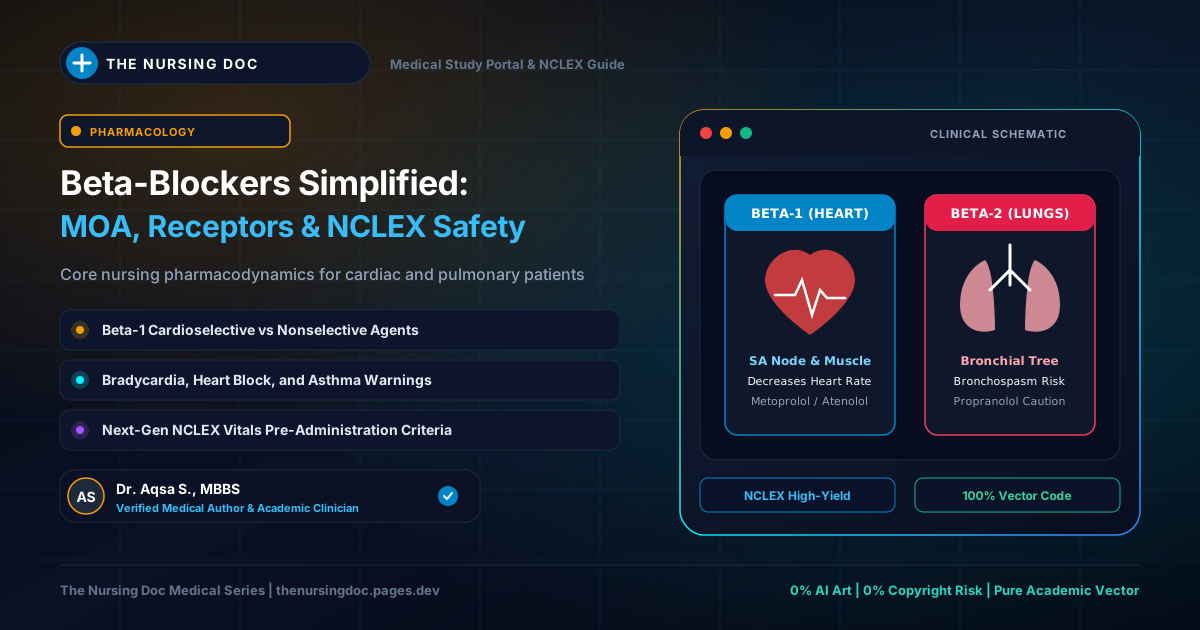
Beta-Adrenergic Receptors: Beta-1 (Heart) vs. Beta-2 (Lungs) & Drug Cascade
Golden Rule Mnemonic: 1 Heart (β₁) vs. 2 Lungs (β₂) Receptor Distribution & Nursing Safety
Beta-adrenergic receptor antagonists—universally known as Beta-Blockers or the "-olol" drug class—are among the most frequently prescribed cardiovascular medications. Whether you are caring for a patient post-myocardial infarction, managing hypertension, or treating tachyarrhythmias, understanding the clinical distinction between different beta-blockers is crucial for safe nursing practice.
💡 Clinical Pearl (The Receptor Rule):
Beta-1: You have 1 Heart (Beta-1 receptors primarily stimulate the heart).
Beta-2: You have 2 Lungs (Beta-2 receptors relax bronchial smooth muscle in the lungs).
1. Mechanism of Action (MOA)
Beta-blockers work by competitively blocking the effects of catecholamines (epinephrine and norepinephrine) at beta-adrenergic receptors throughout the sympathetic nervous system:
- Negative Chronotrope: Decreases heart rate (SA node firing).
- Negative Inotrope: Decreases myocardial contractility (force of contraction).
- Negative Dromotrope: Slows electrical conduction through the AV node.
- Renin Inhibition: Decreases renin release from renal juxtaglomerular cells, thereby blunting the Renin-Angiotensin-Aldosterone System (RAAS) to lower blood pressure.
2. Classification: Cardioselective vs. Non-Selective
Not all beta-blockers behave the same way. The single most important safety concept for nurses is identifying whether a drug is cardioselective or non-selective.
| Class | Target Receptors | Common Drug Examples | Critical Nursing Rule |
|---|---|---|---|
| Cardioselective | Beta-1 only (at normal doses) | Metoprolol, Atenolol, Bisoprolol | Safer for patients with mild COPD or asthma, but still monitor closely. |
| Non-Selective | Beta-1 AND Beta-2 | Propranolol, Nadolol, Timolol | CONTRAINDICATED in Asthma and severe COPD (can trigger bronchospasm). |
| Alpha & Beta Blockers | Alpha-1 + Beta-1 + Beta-2 | Carvedilol, Labetalol | Causes peripheral vasodilation; high risk for orthostatic hypotension. |
🚨 Critical Safety Warning (Diabetic Patients):
Beta-blockers can mask the signs of hypoglycemia (such as tachycardia, tremors, and anxiety). The ONLY symptom of hypoglycemia that beta-blockers cannot mask is diaphoresis (profuse sweating). Teach diabetic patients to check blood glucose if they sweat unexpectedly!
3. Vital NCLEX Nursing Considerations
- Always Check Apical Pulse and Blood Pressure Before Administering: Standard hospital protocol states: HOLD the medication and notify the physician if Heart Rate < 60 bpm or Systolic BP < 100 mmHg (unless specified otherwise by the cardiologist).
- Never Abruptly Discontinue Beta-Blockers: Sudden cessation can cause rebound tachycardia, severe hypertension, or acute myocardial ischemia due to receptor up-regulation. Must be tapered off gradually.
- Assess for Heart Failure Exacerbation: While beta-blockers are used in stable chronic heart failure, starting them during acute decompensation can worsen fluid retention. Monitor daily weights, lung crackles, and peripheral edema.
📝 NCLEX Memory Trick (The 4 "B"s of Beta-Blockers):
- Bradycardia (Monitor HR < 60)
- Blood Pressure (Monitor Hypotension)
- Bronchospasm (Caution in Respiratory illness)
- Blood Sugar (Masked hypoglycemia symptoms)
Written & Medically Reviewed by Dr. Aqsa S.
Medical Doctor specializing in clinical education and evidence-based medicine. Dedicated to empowering nurses with high-yield pathophysiology and pharmacology clarity.