Sterilization & Disinfection: Physical Mechanisms, Chemical Biocides, & Hospital Infection Control
An evidence-based clinical guide to microbial eradication authored by Dr. Aqsa S. Master moist heat autoclaving (121°C), dry heat oxidation, cold radiation sterilization, gaseous ethylene oxide, submicron membrane filtration, and operating room asepsis.
Curator & Medical Director, The Nursing Doc • Peer Reviewed Clinical Notes
⚡ Quick Clinical Snapshot: The Hierarchy of Sterility
- Sterilization Definition: The absolute elimination or destruction of all viable microorganisms—including vegetative bacteria, viruses, fungi, and highly resistant bacterial endospores.
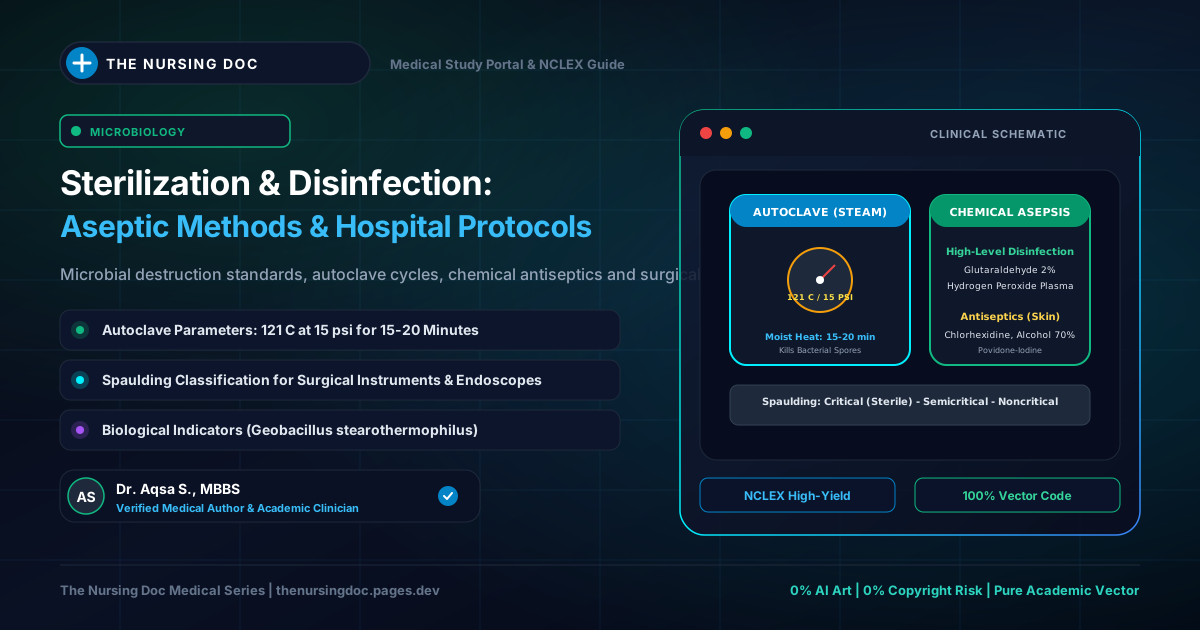
- Moist Heat vs. Dry Heat: Moist heat (Autoclave at 121°C for 15–20 min under 15 psi) kills via rapid protein denaturation and coagulation; Dry heat (Hot Air Oven at 160°C for 2 hours) kills via destructive protein oxidation. Moist heat is vastly superior in speed and penetrative power.
- Tyndallization (Fractional Sterilization): Intermittent boiling at 100°C over 3 consecutive days with 24h incubation intervals, permitting heat-resistant endospores to germinate into heat-vulnerable vegetative cells.
- Radiation (Cold Sterilization): Gamma rays and electron beams penetrate sealed packaging to disrupt microbial DNA/nucleoproteins without heat—ideal for disposable plastic syringes, needles, and IV sets.
- Antiseptics vs. Disinfectants: Antiseptics are non-toxic biocides safe for living skin and mucous membranes (e.g., Chlorhexidine, Povidone-iodine); Disinfectants are toxic chemicals strictly restricted to inanimate surfaces and medical equipment (e.g., Glutaraldehyde, Sodium hypochlorite bleach).
Classification of Microbial Control Methods & Hospital Aseptic Protocols
1. Definition of Sterilization & The Three Primary Methodologies
In surgical science, pharmaceutical manufacturing, and clinical infection control, achieving complete microbial eradication is an absolute clinical imperative.
Dr. Aqsa’s Microbiological Principle: "Sterilization is the definitive process of killing or removing all bacteria, viruses, fungi, and all other forms of living microorganisms and their highly resistant spores from preparations, pharmaceutical products, or surgical articles."
Methods of sterilization are divided into three overarching categories based on the biophysical agent utilized:
Physical Methods
Harness thermal energy or electromagnetic radiation to destroy microbial cellular architecture: Moist Heat (autoclaving), Dry Heat (hot air ovens), and Ionizing / Non-Ionizing Radiations.
Chemical Methods
Utilize potent liquid biocides or reactive gases to alkylate, cross-link, or oxidize microbial nucleic acids and enzymes: Gaseous Sterilization (Ethylene oxide, Ozone) and Liquid Chemical Sterilants (Glutaraldehyde, Bleach).
Mechanical Methods
Rely on physical cell exclusion rather than destruction: Sterilization by Filtration through submicron membrane matrices (0.22 μm) for thermolabile parenteral injectables and biologicals.
2. Thermal Physics: Moist Heat Autoclaving vs. Dry Heat Oxidation
Heat is the most universally accessible and reliable sterilizing agent. However, the biophysical presence of water profoundly alters the required temperature and exposure duration:
Moist Heat Sterilization (The Gold Standard)
Mechanism: Saturated steam rapidly penetrates cellular structures. The condensed water molecules rupture non-covalent hydrogen bonds, causing irreversible denaturation and coagulation of structural and catalytic proteins.
Applications: Surgical gowns, fabrics, bulk dressings, culture media, glassware, and aqueous parenteral infusions.
Dry Heat Sterilization (Oxidation)
Mechanism: In the absence of water, heat transfer is vastly slower. Microbial cells and bacterial endospores are killed primarily through progressive oxidative desiccation and cellular incineration.
Applications: Moisture-sensitive powders, anhydrous oils, liquid paraffin, petroleum jelly, and sharp glassware.
Specialized Moist Heat Variations
3. Radiation Sterilization: The Physics of "Cold Sterilization"
Sterilization by electromagnetic radiation is classically designated as cold sterilization because zero thermal energy is introduced. Highly energetic rays penetrate packaging materials, causing ionization of intracellular water molecules and generating lethal hydroxyl free radicals (•OH) that induce extensive double-strand DNA cleavage and nucleoprotein destruction:
Gamma Rays (Cobalt-60 Source)
Extremely deep tissue penetration. Widely utilized in commercial manufacturing for pre-packaged single-use disposable medical devices—including plastic syringes, hypodermic needles, intravenous cannula sets, and surgical sutures. Sterilization is executed after final packaging, eliminating aseptic handling risks.
Electron Beam (E-Beam) Processing
High-energy focused electron accelerators. Operates on an on/off electrical switch with significantly higher dosage rates than gamma radiation. Requires only seconds of exposure, substantially reducing polymer degradation in plastics, though with less penetrative depth than gamma photons.
Ultraviolet (UV) Light Irradiation (Non-Ionizing, 254 nm)
Generates thymine-thymine dimers in microbial DNA, halting replication. Because UV rays possess virtually zero penetrative capacity through glass or plastic, UV lamps are strictly restricted to surface disinfection of biological safety cabinets, laminar airflow hoods, and operating theatre ambient air.
4. Chemical Biocides: Gaseous Sterilization & Liquid Disinfectants
When medical apparatus contains sensitive electronics, fiber optic lenses, or thermolabile polymers (e.g., flexible colonoscopes, laparoscopes, dialysis equipment), heat sterilization is prohibited. Healthcare facilities employ chemical biocides:
| Chemical Agent | Mechanism of Action | Clinical Application | Key Safety & Handling Precautions |
|---|---|---|---|
| Ethylene Oxide (EtO Gas) | Alkylates amino, carboxyl, and hydroxyl groups on microbial proteins and DNA. | Plastic tubing, artificial heart valves, cardiopulmonary bypass pumps, electronic monitors. | Highly toxic, mutagenic, and explosive. Requires prolonged post-sterilization aeration chambers (8–12 hours) to outgas toxic EtO residues. |
| Glutaraldehyde (2% Solution / Cidex) | Cross-links cellular proteins via alkylation of sulfhydryl and amino radicals. | Cold chemical immersion of flexible endoscopes and respiratory therapy transducers. | Requires 10 hours of total immersion for sporicidal sterilization (20–30 min achieves only high-level disinfection). Must be thoroughly rinsed with sterile water. |
| Sodium Hypochlorite (Chlorine Bleach) | Powerful oxidative denaturation of essential sulfhydryl enzymes. | Hospital blood spills, environmental sanitation, hemodialysis fluid loops. | Standard dilution: 1:10 of 5.25% bleach. For Mycobacterium tuberculosis: dilute 1:5 with a 20-minute dwell time. Highly corrosive to surgical stainless steel! |
| Hydrogen Peroxide Gas Plasma | Generates lethal free radicals in an electromagnetic radio-frequency field. | Rapid turnaround for moisture-sensitive surgical instruments (Sterrad system). | Byproducts are completely non-toxic (water vapor and oxygen); requires zero aeration downtime. |
5. Mechanical Filtration: Sterilization of Thermolabile Injectables
Certain essential pharmaceutical preparations—such as antibiotic solutions, protein hormones (insulin), serum vaccines, ophthalmic drops, and vitamin mixtures—are irrevocably destroyed by heat. These liquids are sterilized via membrane microfiltration:
The 0.22-Micrometer Membrane Standard
Porous cellulose acetate, cellulose nitrate, or polytetrafluoroethylene (PTFE) membranes are manufactured with uniform pore diameters of 0.22 micrometers (μm). Because the smallest vegetative pathogenic bacteria (e.g., Pseudomonas aeruginosa) measure 0.5 μm in diameter, they are physically excluded and retained on the membrane filter while the sterile liquid passes into a sealed receiver.
⚠️ Clinical Filtration Limitation: 0.22 μm membrane filters remove all bacteria and fungi, but allow submicroscopic Viruses and Mycoplasmas to pass through!
NCLEX & Operating Room Infection Alerts
Critical aseptic principles every surgical nurse and clinician must enforce
📝 NCLEX-RN Practice Check: Sterilization & Infection Control
Question 1: Which biological indicator organism is standardly used to validate the efficacy of moist heat sterilization in hospital steam autoclaves?
A) Bacillus atrophaeus
✓ B) Geobacillus stearothermophilus
C) Clostridium tetani
D) Staphylococcus aureus
Question 2: An operative team is preparing to sterilize a heat-sensitive fiberoptic flexible bronchoscope. Which chemical agent and protocol is appropriate for cold liquid sterilization?
A) Immersion in 70% isopropyl alcohol for 15 minutes.
✓ B) Complete immersion in activated 2% Glutaraldehyde solution for 10 hours, followed by sterile water rinsing.
C) Swabbing with 1:10 household bleach for 2 minutes.
D) Hot air baking at 160°C for 2 hours.