Drugs of Diabetes Mellitus: Insulin Formulations, Pharmacokinetics Curves, & Oral Antidiabetic Regimens
An evidence-based clinical guide to modern diabetology authored by Dr. Aqsa S. Master pancreatic proinsulin physiology, recombinant insulin regimens (rapid, short, intermediate, long-acting), multi-organ oral antidiabetics, and life-saving bedside hypoglycemia protocols.
Curator & Medical Director, The Nursing Doc • Peer Reviewed Clinical Notes
⚡ Quick Clinical Snapshot: The Pillars of Antidiabetic Therapy
- T1DM vs. T2DM: Type 1 is an autoimmune destruction of pancreatic beta cells requiring lifelong exogenous insulin; Type 2 is a progressive disease of insulin resistance and failing secretory capacity managed initially with oral agents and later with supplemental insulin.
- Proinsulin & C-Peptide: Pancreatic beta cells synthesize proinsulin, which is enzymatically cleaved into equimolar amounts of active insulin and C-peptide. Serum C-peptide levels serve as the definitive clinical biomarker of endogenous beta-cell reserve.
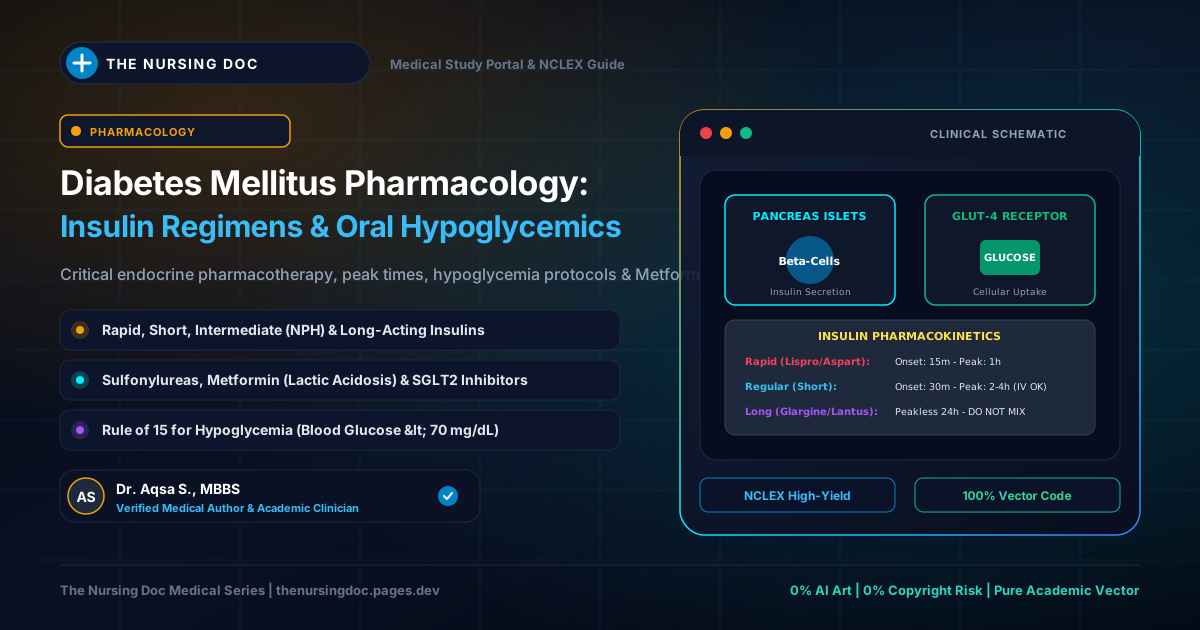
- Insulin Formulation Curves: Rapid-acting analogs (Lispro, Aspart, Glulisine) control mealtime spikes; Short-acting (Regular) is the only form given IV for acute DKA; Intermediate (NPH) provides 12–18 hr coverage; Long-acting (Glargine, Detemir) provides peakless 24-hr basal control.
- Oral Antidiabetic Mechanisms: Metformin (first-line biguanide) inhibits hepatic gluconeogenesis; Sulfonylureas close ATP-K⁺ channels to force insulin release; SGLT2 inhibitors block renal glucose reabsorption; GLP-1 receptor agonists and DPP-4 inhibitors amplify incretin-driven insulin secretion.
- Hypoglycemia Protocol: The #1 hazard of insulin therapy. Brain tissue depends exclusively on continuous glucose. Unconscious or severe hypoglycemia requires immediate IV 50% Dextrose (D50W) or IM Glucagon.
Pancreatic Beta-Cell Dynamics, Insulin Formulations, & Oral Classes
1. Classification & Clinical Course of Diabetes Mellitus
Diabetes mellitus is a heterogeneous group of metabolic disorders characterized by persistent hyperglycemia resulting from defects in insulin secretion, insulin action, or both. The disease is clinically categorized into four major classes: Type 1 diabetes, Type 2 diabetes, Gestational diabetes mellitus (GDM), and other specific genetic/pancreatic etiologies.
Autoimmune Beta-Cell Destruction
Usually manifests during childhood or early adolescence due to cell-mediated autoimmune destruction of pancreatic beta cells in the Islets of Langerhans. This leads to an absolute insulin deficiency.
Insulin Resistance & Secretory Decline
A progressive metabolic disease characterized by increasing peripheral insulin resistance (in liver, skeletal muscle, and adipose tissue) combined with a diminishing compensatory insulin secretory capacity from overworked beta cells. Strongly linked with visceral obesity and physical inactivity.
While the clinical history and pathophysiological mechanisms of these two forms differ considerably, clinical management in both conditions mandates rigorous attention to medical nutrition therapy, fasting and postprandial blood glucose levels, and serial determinations of glycated hemoglobin (HbA1c < 7.0%).
2. Insulin Biosynthesis, C-Peptide, & Systemic Effects
Insulin cannot be produced directly by pancreatic beta cells. Instead, ribosomes on the rough endoplasmic reticulum initially synthesize a larger precursor polypeptide: preproinsulin, which is rapidly cleaved to proinsulin.
Dr. Aqsa’s Physiological Pearl: "Pancreatic beta cells do not produce insulin directly. Enzymes cut proinsulin into two fragments: active Insulin and the connecting peptide, C-peptide. Because C-peptide is cleared much more slowly than insulin by the kidneys, measuring serum C-peptide allows clinicians to accurately assess whether a patient's pancreas is still producing its own insulin!"
Systemic Biological Actions of Insulin
Insulin exerts profound anabolic actions across virtually every tissue of the human body. Following meal ingestion, absorbed carbohydrates drive a rapid rise in blood glucose concentration. Pancreatic beta cells detect this surge and secrete insulin into the portal circulation:
- Receptor Activation: Insulin binds to membrane-bound tyrosine kinase receptors (consisting of two extracellular alpha subunits and two intracellular beta subunits), triggering autophosphorylation and mobilizing intracellular GLUT4 glucose transporter vesicles to fuse with cell membranes in skeletal muscle and adipose tissue.
- Hepatic Effects: Stimulates glycogen synthesis (glycogenesis), suppresses glycogenolysis, and halts gluconeogenesis (shutting down glucose production by the liver).
- Protein & Lipid Sparing: Strongly inhibits intracellular proteolysis (preventing muscle breakdown) and stimulates lipogenesis while arresting hormone-sensitive lipase (preventing free fatty acid surge and ketoacidosis).
3. Pharmaceutical Insulin Formulations & Pharmacokinetic Curves
Commercial human insulin is manufactured using recombinant bacterial DNA technology (typically E. coli or yeast). Formulations are engineered to provide four distinct rates of onset and durations of action—ranging from ultra-fast rapid-acting analogs to peakless long-acting basal formulations.
| Insulin Class | Generic Names | Onset | Peak Activity | Duration | Clinical Application & Pearls |
|---|---|---|---|---|---|
| Rapid-Acting | Insulin lispro, aspart, glulisine | 10–15 min | 1–2 hours | 3–5 hours | Inject 0–15 min before meals. Preferred for continuous subcutaneous infusion pumps (CSII) and uncomplicated DKA. Food must be on tray! |
| Short-Acting | Regular Human Insulin (Humulin R, Novolin R) | 30–60 min | 2–4 hours | 6–8 hours | The ONLY insulin given Intravenously (IV). Drug of choice for acute diabetic ketoacidosis (DKA) and hyperkalemia emergency protocols. |
| Intermediate-Acting | NPH (Neutral Protamine Hagedorn) | 1–2 hours | 6–10 hours | 12–18 hours | Contains protamine to slow subcutaneous absorption. Cloudy appearance; gently roll between palms—never shake! Often causes nocturnal hypoglycemia. |
| Long-Acting | Glargine (Lantus), Detemir (Levemir), Degludec | 1–2 hours | Peakless (No Peak) | 20–24+ hours | Provides true 24-hr basal suppression of hepatic glucose output. NEVER mix Glargine with any other insulin in the same syringe! |
Administration Modalities: Insulin is traditionally injected subcutaneously via U-100 syringes or portable pen-sized injectors with disposable needles. Continuous subcutaneous insulin infusion (CSII / insulin pumps) delivers a basal micro-infusion with boluses at meals, preventing multiple daily skin punctures. Inhaled insulin (Afrezza) is also available for mealtime dosing (contraindicated in asthma and COPD).
4. Non-Insulin Antidiabetic Drugs: Multi-Organ Mechanistic Targets
Type 2 diabetes involves multiple organs: the liver, pancreas, intestines, kidneys, adipose tissue, and skeletal muscle. Pharmacotherapy utilizes several distinct drug families targeting these organs:
1. Biguanides (Metformin / Glucophage)
First-Line TherapyMechanism: Activates AMP-activated protein kinase (AMPK), suppressing hepatic gluconeogenesis and glycogenolysis while slightly improving peripheral insulin sensitivity. Does not stimulate beta cells; therefore, it causes zero hypoglycemia when given as monotherapy and is weight-neutral or promotes mild weight loss.
2. Insulin Secretagogues: Sulfonylureas & Meglitinides
Agents: Sulfonylureas: Glipizide, Glimepiride, Glyburide. Meglitinides: Repaglinide, Nateglinide.
Mechanism: Bind to and close ATP-sensitive potassium channels (K_ATP) on the beta-cell membrane, causing membrane depolarization, calcium influx, and exocytosis of preformed insulin granules.
Adverse Effects: High risk of hypoglycemia and undesirable weight gain.
3. Incretin Mimetics: GLP-1 Receptor Agonists & DPP-4 Inhibitors
GLP-1 Receptor Agonists: Semaglutide, Liraglutide, Dulaglutide (injected SC, except oral semaglutide). Mimic endogenous incretin hormones, causing glucose-dependent insulin secretion, glucagon suppression, delayed gastric emptying, and substantial weight loss with proven cardiovascular mortality benefits.
DPP-4 Inhibitors (Gliptins): Sitagliptin, Linagliptin. Orally active enzymes inhibitors that prevent the breakdown of endogenous GLP-1. Weight neutral; minimal hypoglycemia.
4. Renal Glucose Reuptake Inhibitors (SGLT2 Inhibitors / Gliflozins)
Agents: Empagliflozin, Dapagliflozin, Canagliflozin.
Mechanism: Inhibit Sodium-Glucose Co-transporter 2 (SGLT2) in the proximal renal tubule, preventing glucose reabsorption and inducing substantial glycosuria (spilling 70–100g of glucose/day in urine). Lowers HbA1c, blood pressure, and weight; provides dramatic protection against Heart Failure hospitalizations.
Adverse Effects: Mycotic genital infections, UTIs, volume depletion/hypotension, and rare euglycemic DKA.
5. Thiazolidinediones (TZDs) & Alpha-Glucosidase Inhibitors
TZDs (Pioglitazone): Ligands of PPAR-gamma nuclear receptors; dramatically enhance muscle/fat insulin sensitivity. Caution: Causes fluid retention and peripheral edema—absolutely contraindicated in symptomatic Heart Failure (NYHA Class III/IV).
Alpha-Glucosidase Inhibitors (Acarbose): Inhibit intestinal brush-border disaccharidases, delaying carbohydrate breakdown in the small intestine. Causes flatulence, abdominal distention, and osmotic diarrhea.
5. Hazards of Insulin Therapy & The Hypoglycemia Emergency
The most frequent, hazardous, and rapidly fatal complication of insulin therapy is hypoglycemia (blood glucose < 70 mg/dL), resulting from excessive insulin dose, skipped meals, or intense unplanned physical exertion.
🧠 Neuroglycopenia & The Brain Damage Imperative
The human central nervous system cannot synthesize or store glucose and depends entirely on continuous, unhindered systemic delivery. When blood glucose plummets below 50–55 mg/dL, neuroglycopenic symptoms emerge: confusion, irritability, slurred speech, seizures, and irreversible coma or brain death!
🛡️ Bedside Hypoglycemia Protocol: The "Rule of 15"
- Administer 15 to 20 grams of rapid-acting simple carbohydrate (e.g., 4 oz fruit juice, 4 glucose tablets, or 5-6 hard candies).
- Wait 15 minutes and retest blood glucose.
- If still < 70 mg/dL, repeat with another 15 grams of carbohydrate.
- Once normalized, provide a complex carbohydrate + protein snack (e.g., crackers with cheese or peanut butter) to sustain glycemic levels.
- Do NOT give anything by mouth (severe aspiration hazard).
- Hospital / IV Access: Administer 25 to 50 mL of 50% Dextrose in Water (D50W) as a slow IV push over 2–3 minutes.
- Community / No IV Access: Inject 1 mg Glucagon Intramuscularly (IM) or Subcutaneously (or intranasal glucagon powder). Turn patient on side (recovery position) because glucagon often induces severe nausea and vomiting upon awakening!
NCLEX & Bedside Nursing Alerts
Critical safety checks every nurse must master before administering antidiabetic medications
📝 NCLEX-RN Practice Check: Diabetes Pharmacology
Question 1: A nurse is scheduled to administer 10 units of Insulin Lispro (Humalog) subcutaneously to a hospitalized patient at 0800. What essential nursing assessment must be completed prior to injection?
A) Verify that the patient has completed a 12-hour overnight fast.
✓ B) Confirm that the patient's breakfast tray is physically present in the room and ready to be consumed immediately.
C) Ensure that a long-acting insulin has been administered at least 2 hours prior.
D) Check that the patient's urine output has exceeded 100 mL in the previous hour.
Question 2: A patient with Type 2 diabetes who has been taking Metformin 1000 mg twice daily is admitted for an elective coronary angiogram requiring IV iodinated radiocontrast dye. What is the nurse's priority action?
A) Increase the Metformin dose to prevent contrast-induced hyperglycemia.
B) Administer Metformin with a glass of grapefruit juice to accelerate hepatic clearance.
✓ C) Verify that Metformin was withheld on the day of the procedure and ensure it remains held for 48 hours post-procedure until renal function is reassessed.
D) Substitute oral Metformin with sublingual Nitroglycerin.