Beta-Blockers Simplified: Classifications, MOA, & NCLEX Nursing Considerations
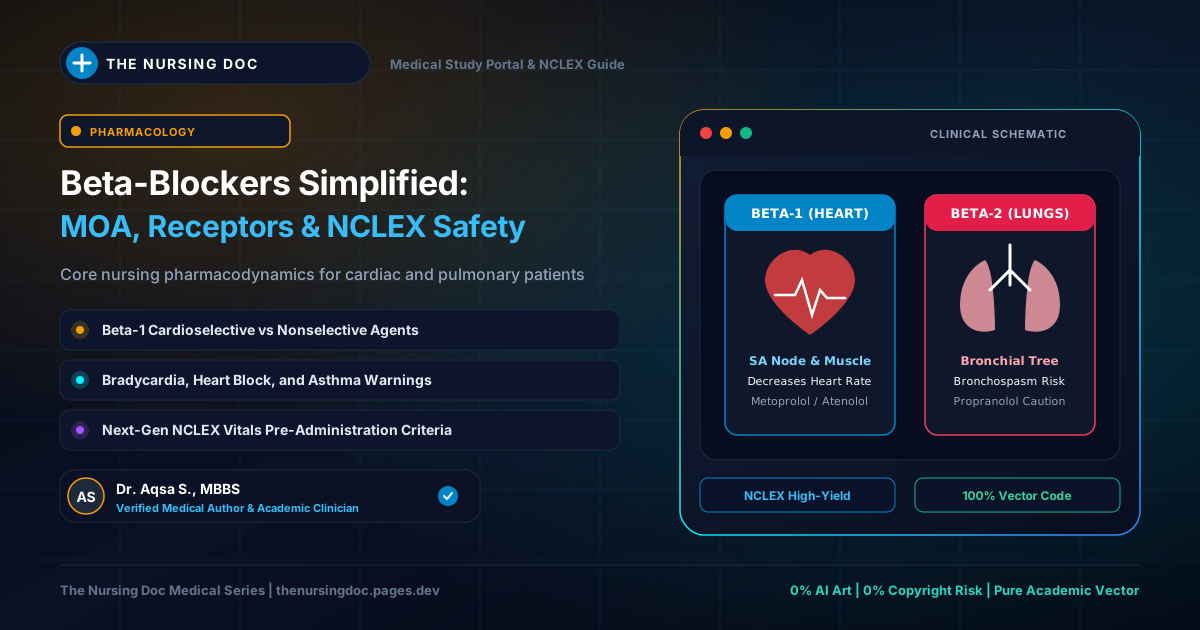
Learn the difference between cardio-selective (Beta-1) and non-selective (Beta-2) blockers, key contraindications like asthma, and vital bedside monitoring parameters.
Peer-reviewed, doctor-crafted high-yield summaries in Anatomy, Physiology, Pharmacology, Microbiology, and Biochemistry—engineered to help nursing students ace bedside rounds and NCLEX exams.
Learn the difference between cardio-selective (Beta-1) and non-selective (Beta-2) blockers, key contraindications like asthma, and vital bedside monitoring parameters.
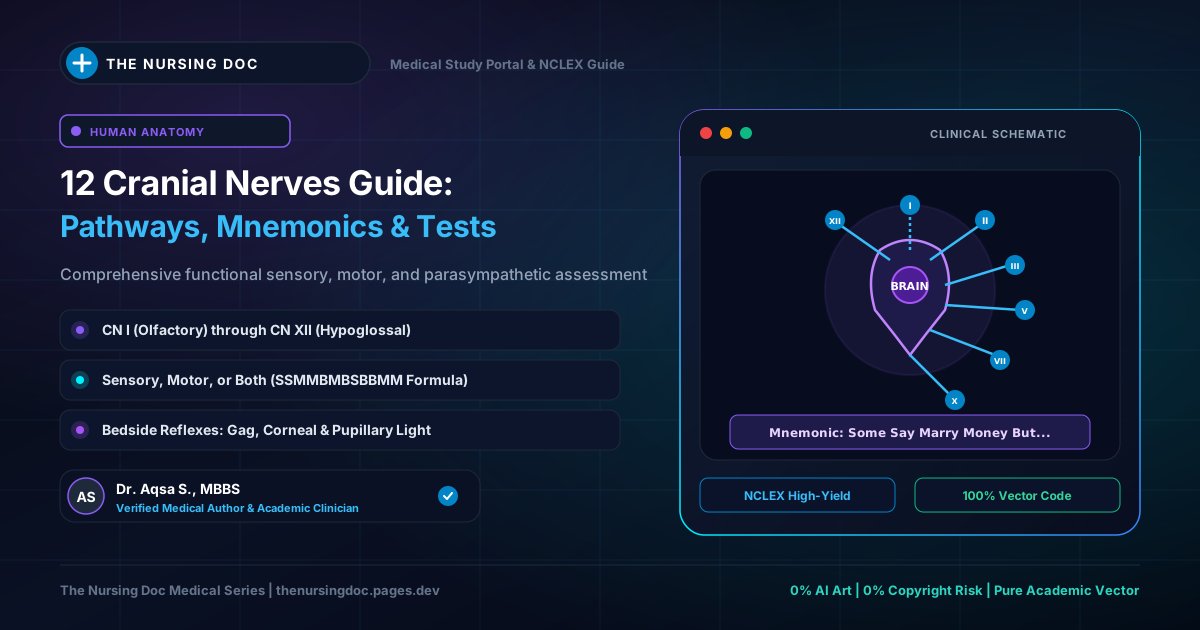
Never forget cranial nerves again. Includes the classic Sensory/Motor mnemonic, Roman numeral order, and quick bedside cranial nerve physical exam tips for nurses.
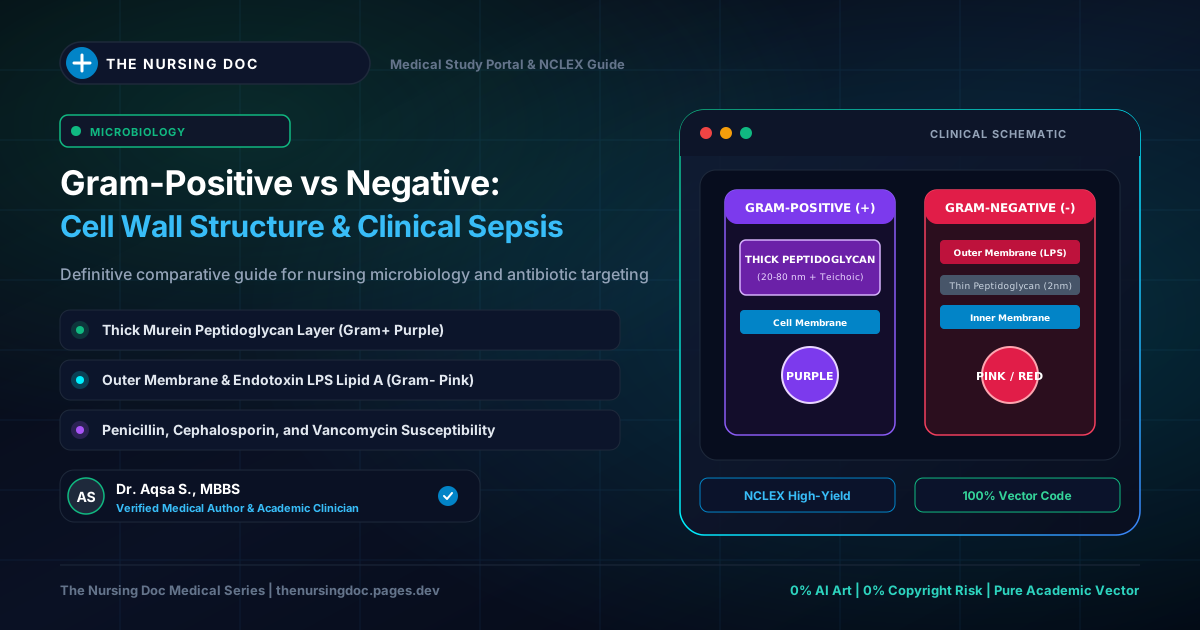
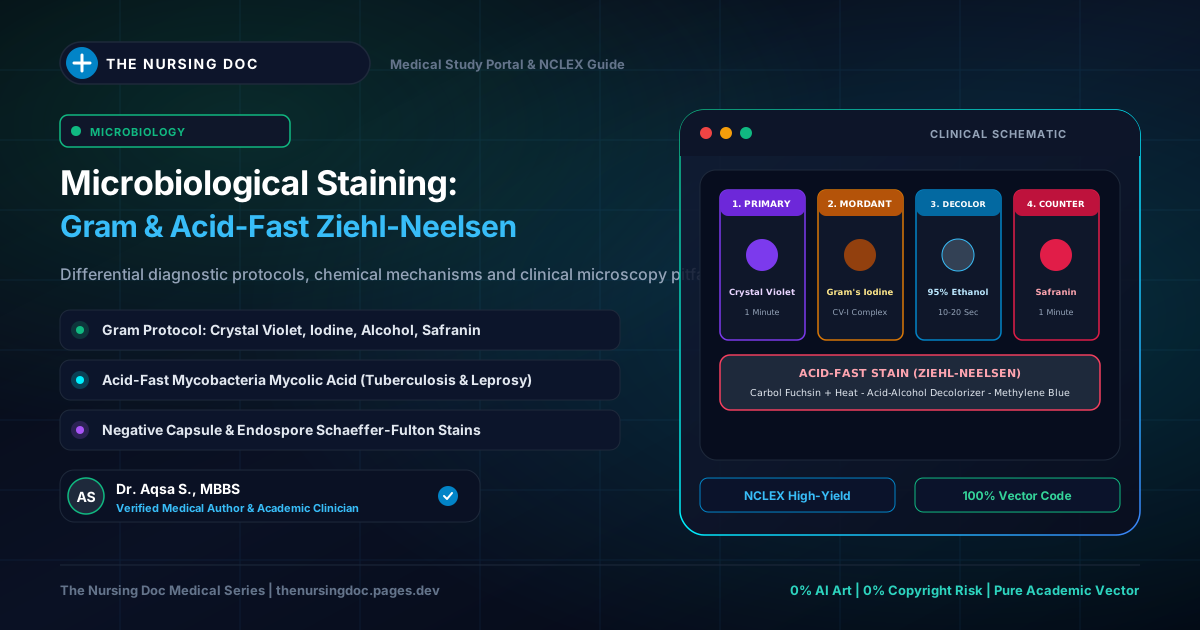
Clear breakdown of peptidoglycan layers, lipopolysaccharide (LPS) endotoxins, Gram staining steps (Crystal Violet, Iodine, Safranin), and clinical relevance in sepsis.
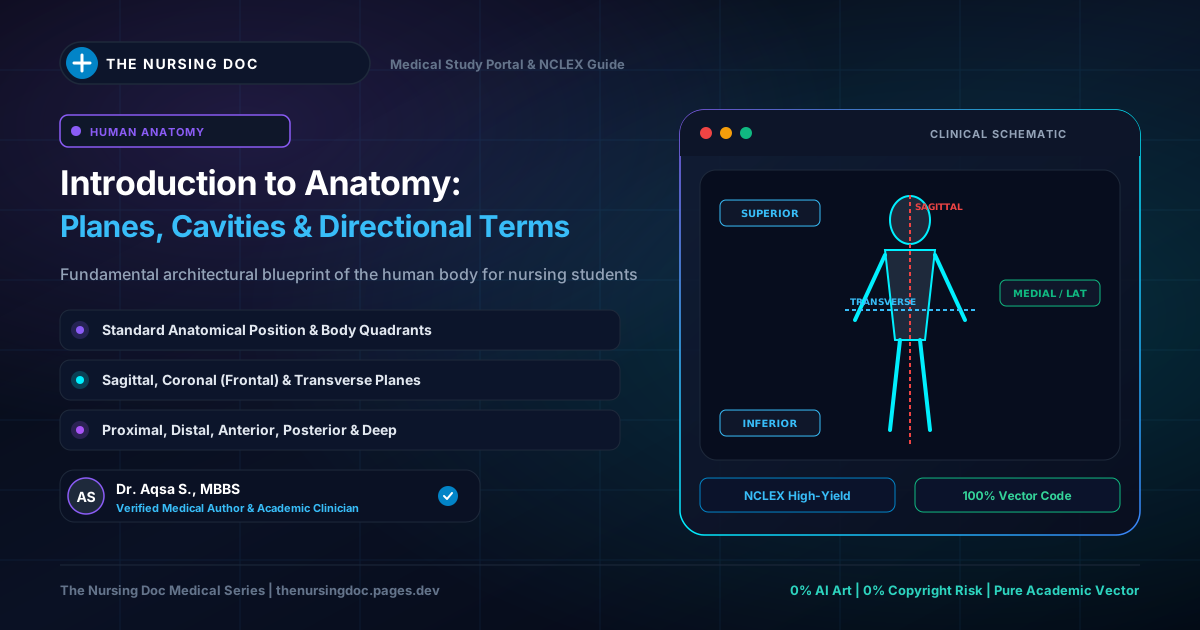
Explore the Greek origins of anatomy, Hippocratic foundations, Gross vs. Microscopic branches, and essential directional terms (Anterior, Medial, Proximal) for nurses.
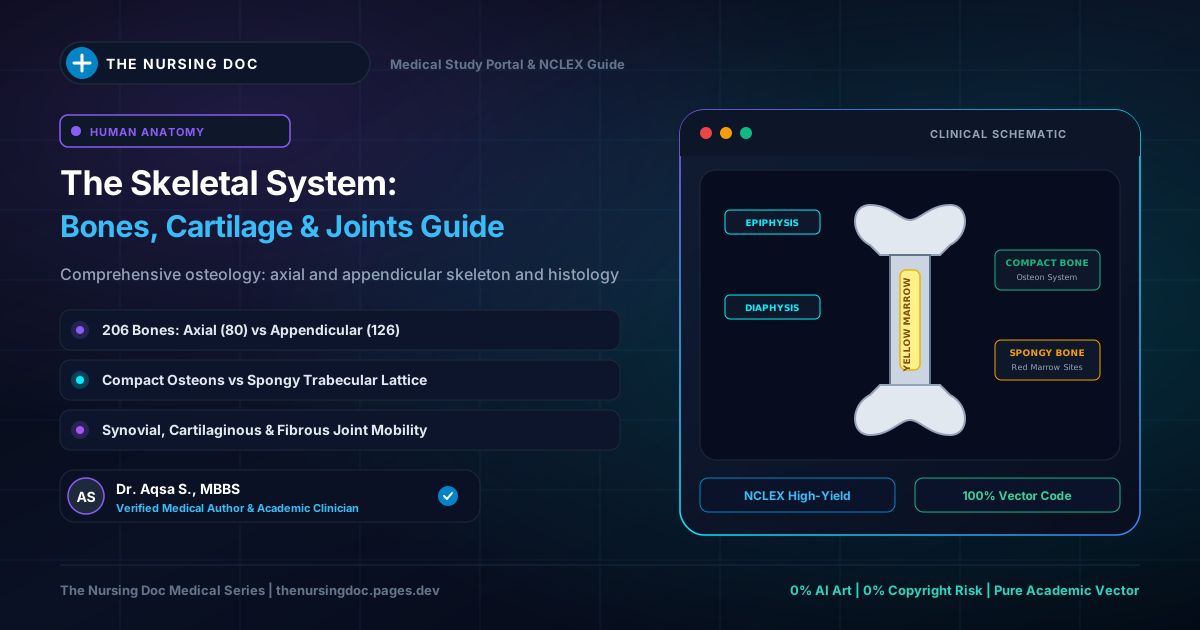
Master the 206 human bones: axial (80) vs. appendicular (126), morphological bone shapes (long, short, flat, irregular, sesamoid), and clinical open vs. closed fractures.
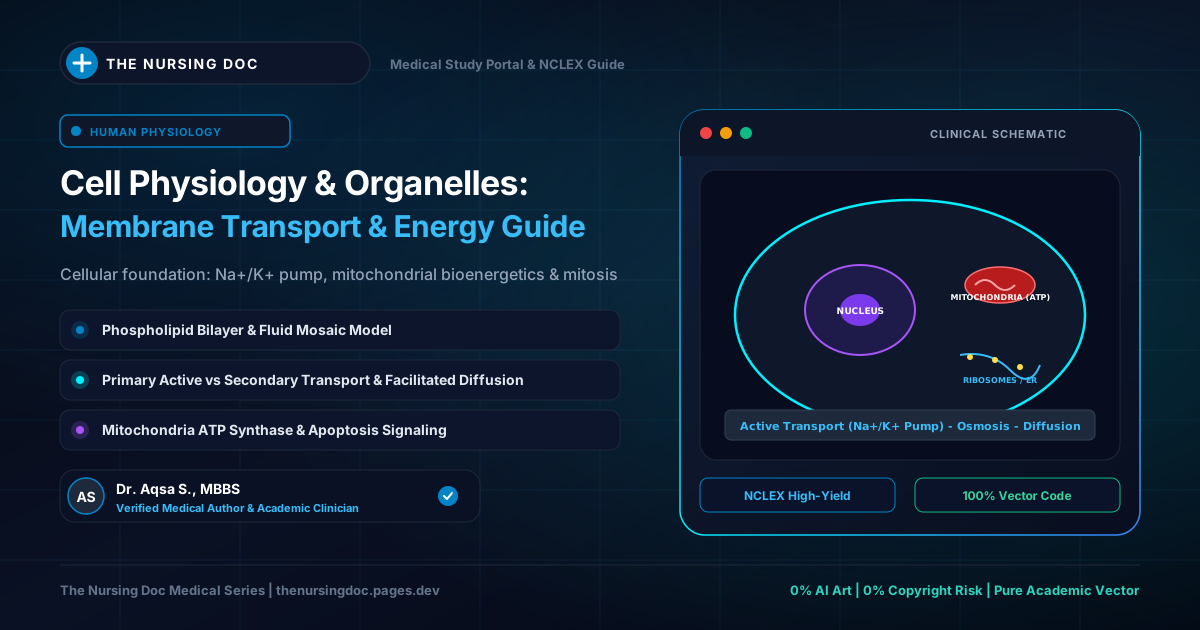
Master the living unit of the body: plasma membrane phospholipid bilayer, rough vs. smooth ER, ribosomes, mitochondria ATP production, and nuclear command.
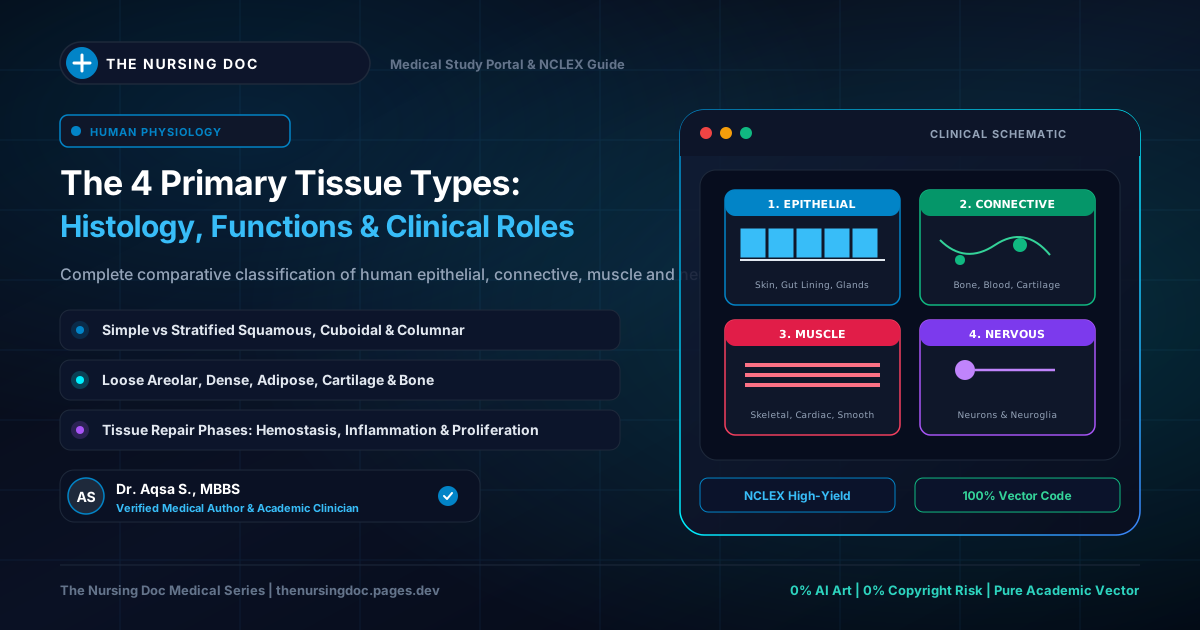
Explore the 4 primary tissue families, connective tissue matrix (fibroblasts, mast cells, collagen, proteoglycans), and simple vs. stratified epithelial protective barriers.
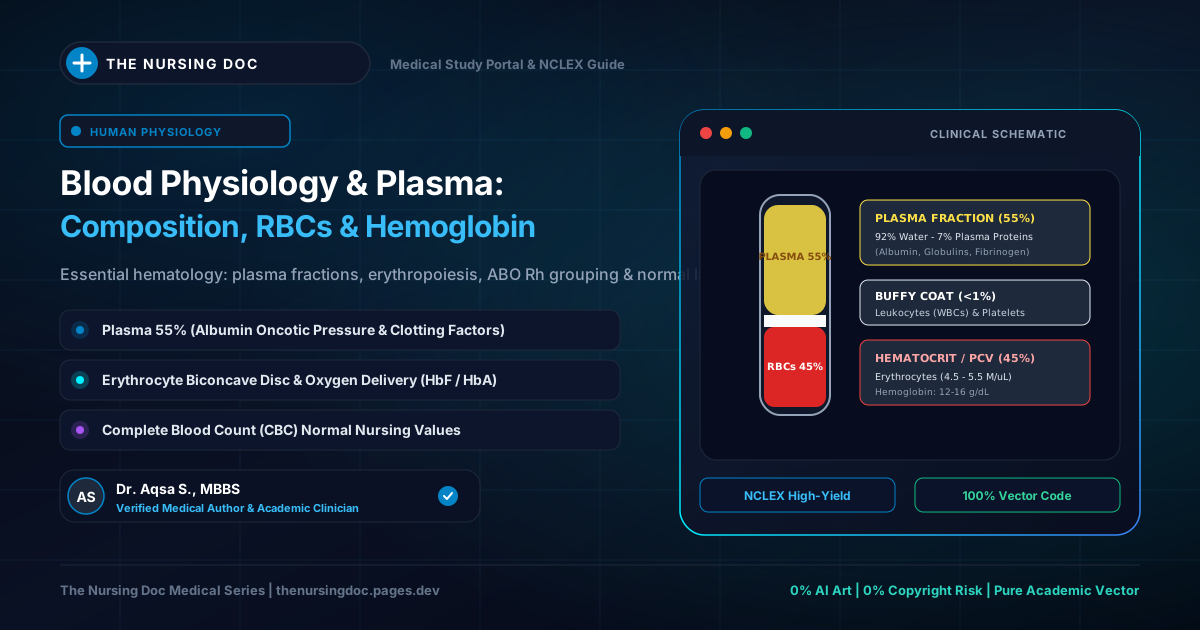
Master the formed elements (45%), plasma proteins (55%), RBC biconcave architecture, 120-day lifespan, erythropoiesis stages, and carbonic anhydrase acid-base buffering.
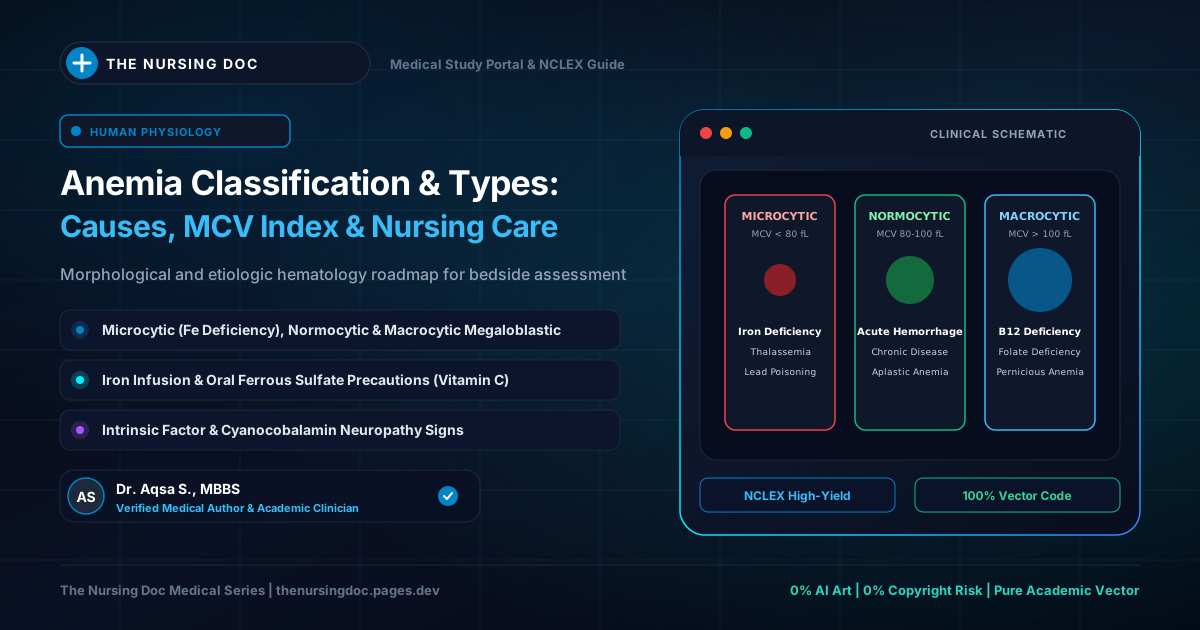
Master the 3 cardinal pathways of anemia: acute/chronic blood loss, hemolytic destruction, bone marrow aplasia pancytopenia, and Vitamin B12 vs. folate megaloblastic differentiation.
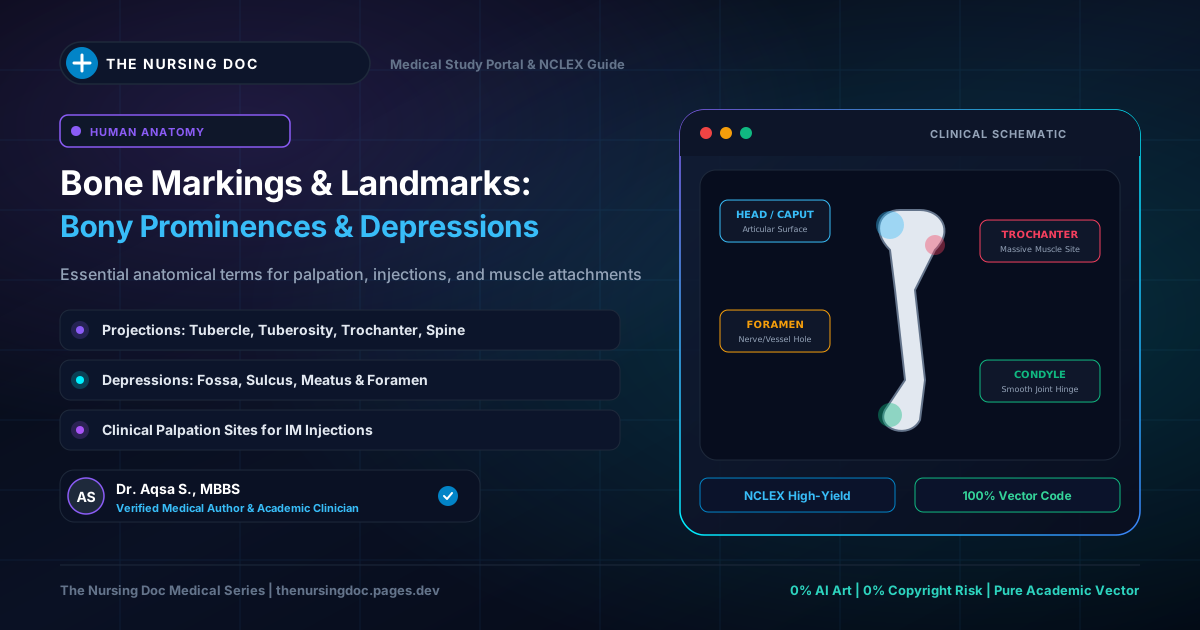
Master the complete osteology taxonomy: articular surfaces (head, capitulum, trochlea), muscular projections (trochanter, tuberosity, malleolus), and neurovascular conduits (foramen, meatus, fissures).
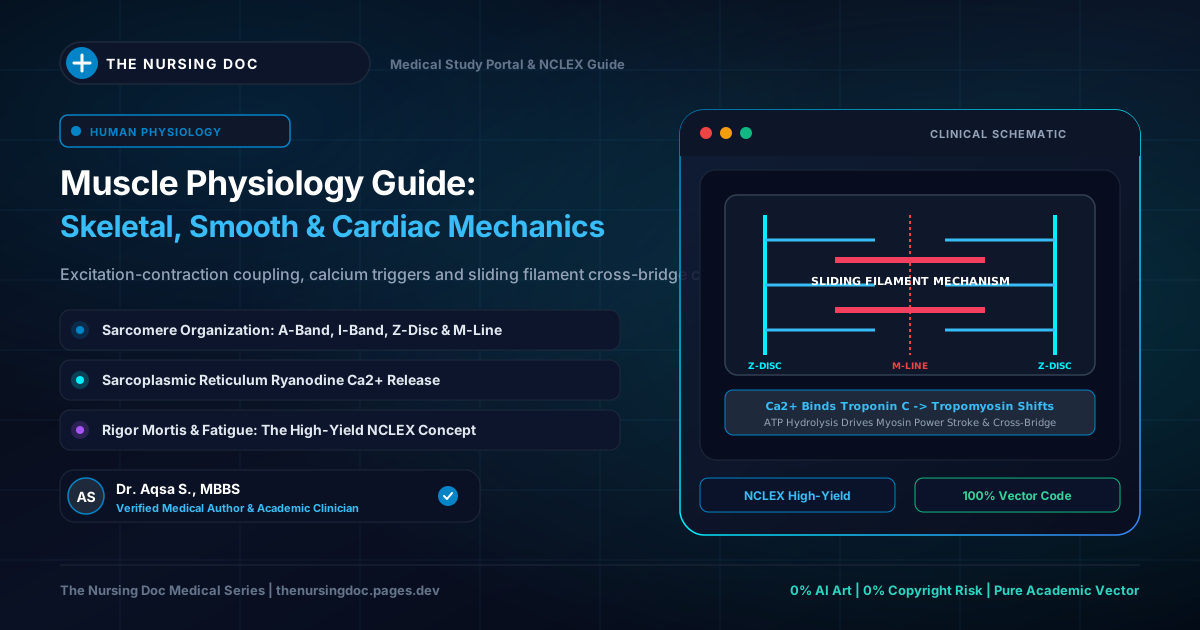
Master the histological triad of human muscle: striated somatic skeletal fibers, branching cardiac syncytium with intercalated discs, and fusiform visceral smooth muscle, plus the 4 cardinal properties of muscle.
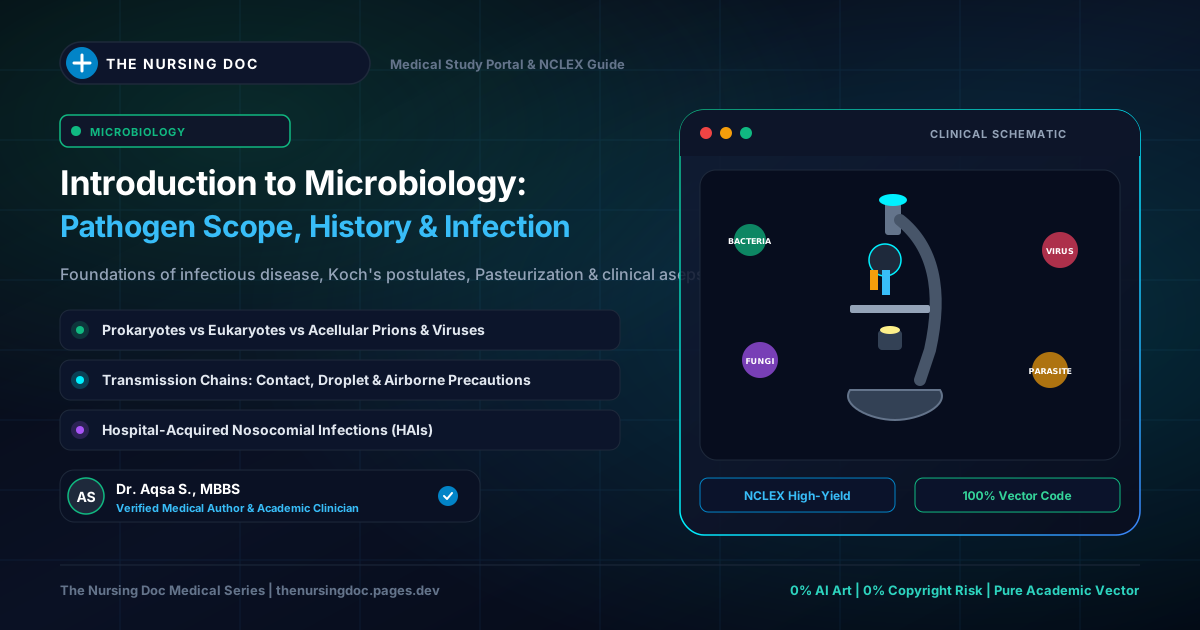
Master the foundations of microbiology: historical milestones from Hooke and Leeuwenhoek to Pasteur, taxonomy of the 7 microbial families, pharmaceutical pyrogen screening, and aseptic clinical pearls.
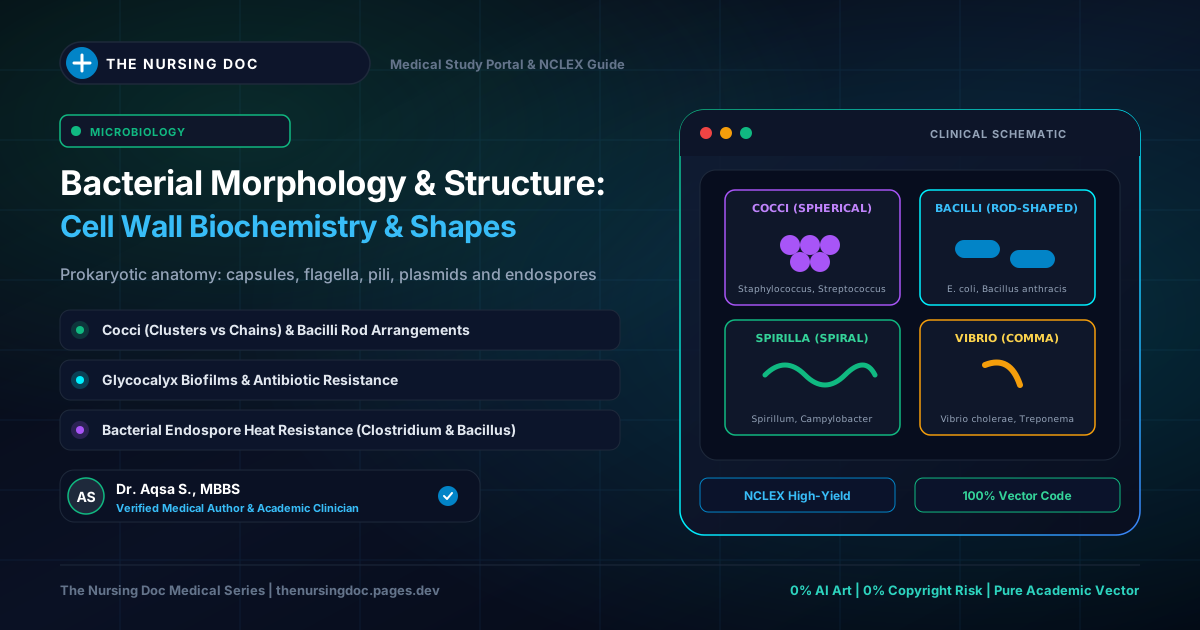
Master the bacterial kingdom: cocci, bacilli, and spiral morphologies, peptidoglycan NAG-NAM cross-linking, R-plasmids, and the 60/40 fluid mosaic plasma membrane.
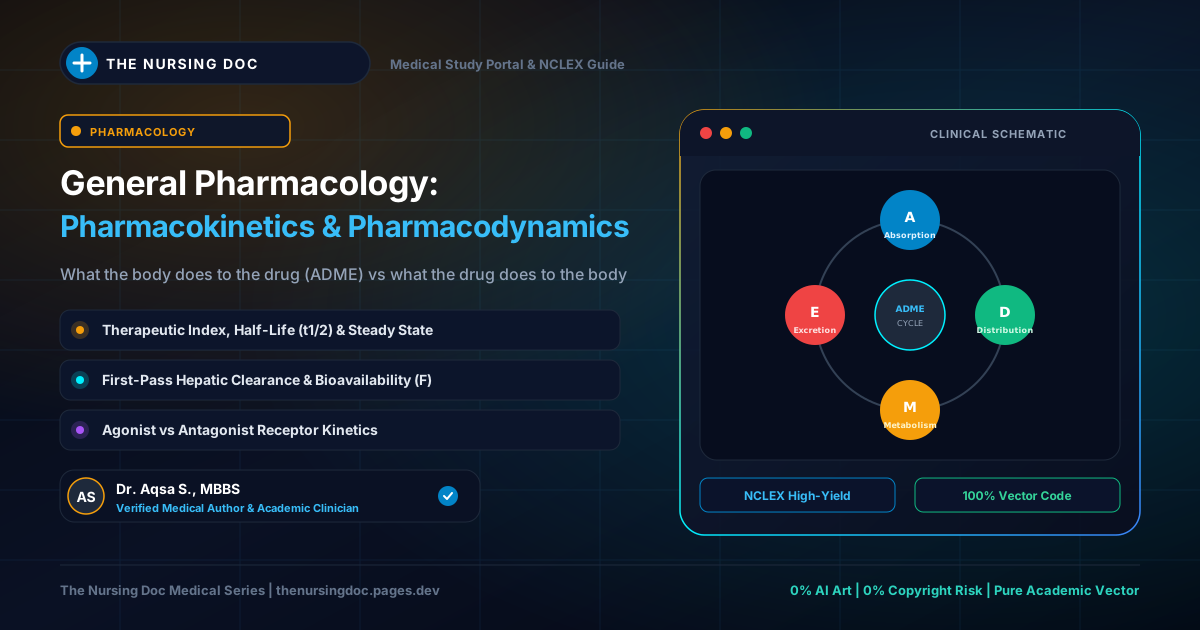
Master the foundational pillars of pharmacology: pharmacokinetics (ADME) vs. pharmacodynamics, drug-receptor bonds, Fick's law of diffusion, and Henderson-Hasselbalch ion trapping.
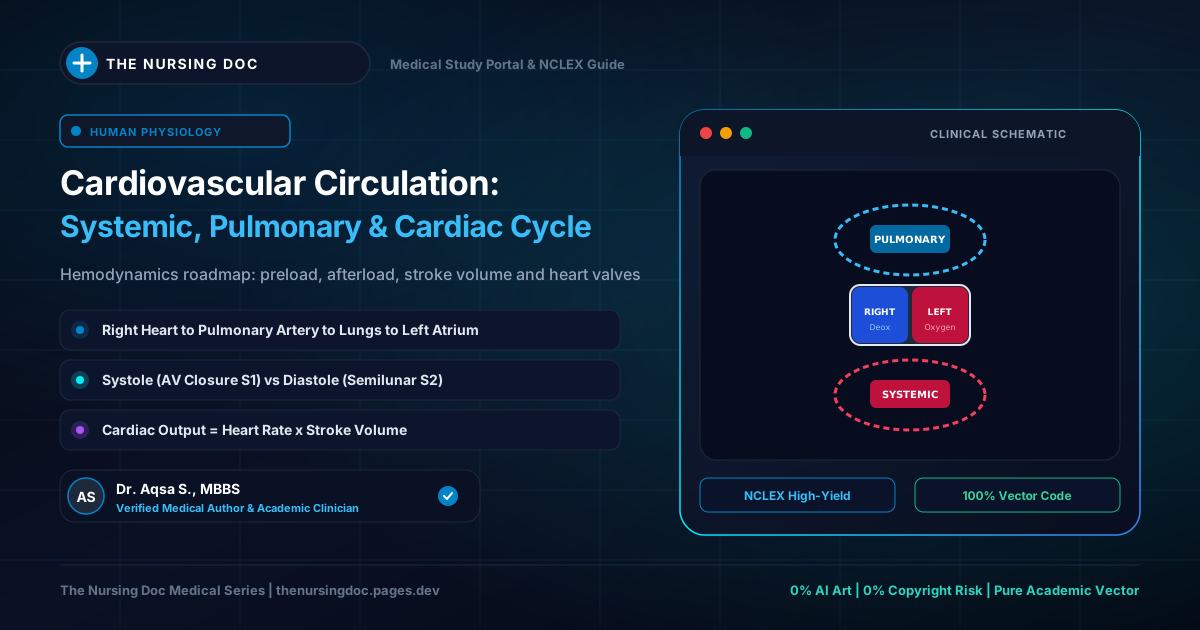
Master cardiac hemodynamics: systemic vs. pulmonary circulation pathways, syncytial myocardium action potentials, the 0.8-second Wiggers cardiac cycle, and clinical auscultation of S1/S2 heart sounds.
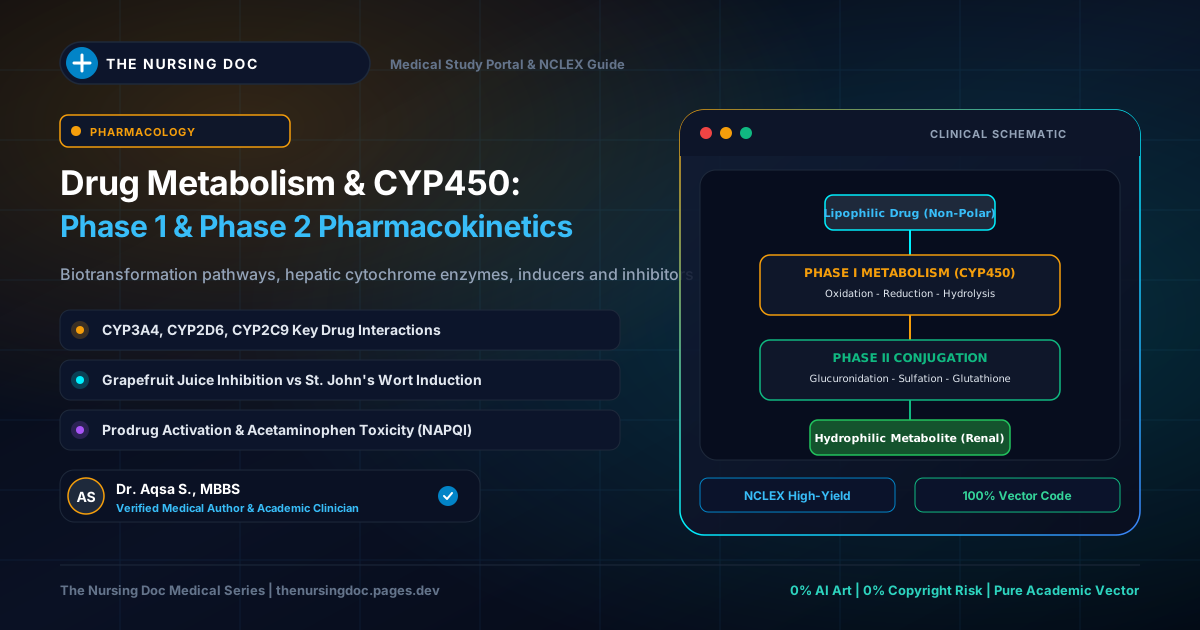
Master hepatic biotransformation: microsomal CYP450 oxidation, Phase II glucuronidation and acetylation, enzyme induction vs. rapid inhibition kinetics, and P-glycoprotein bioavailability surges.
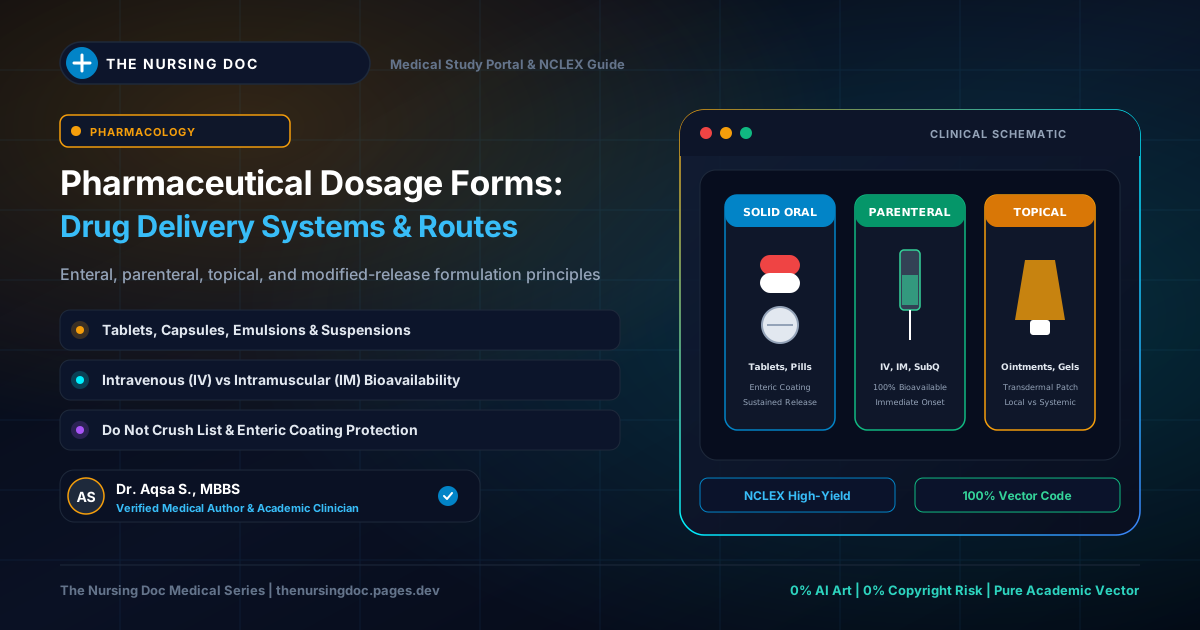
Master pharmaceutical dosage form design: conversion of NCEs to medicines, excipient roles (binders, disintegrants, surfactants, hydrocolloids), and physical classification from tablets to suspensions.
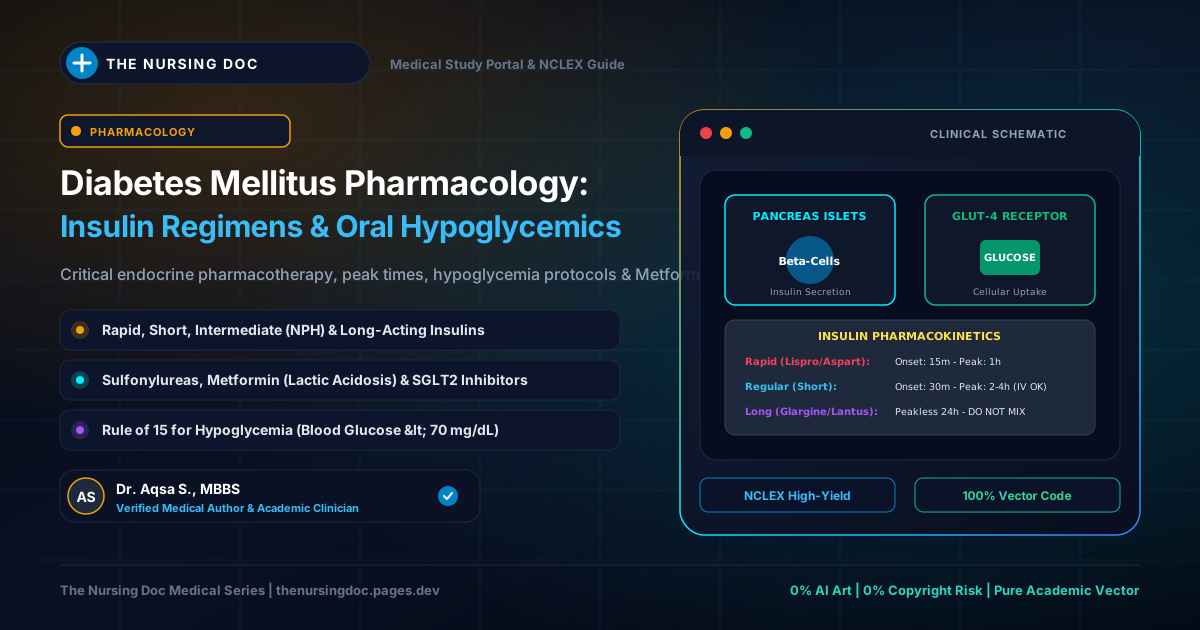
Master antidiabetic pharmacotherapy: proinsulin cleavage, 4-tier recombinant insulin kinetics (rapid to long-acting), multi-organ oral agents (Metformin, SGLT2i, GLP-1), and hypoglycemia emergency protocols.
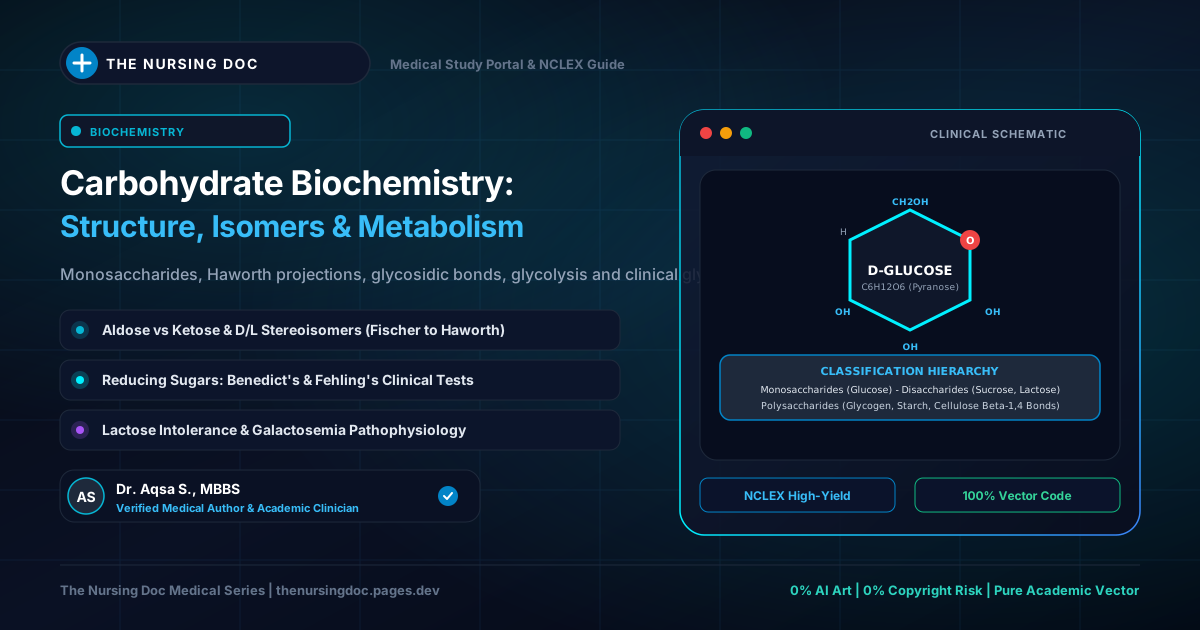
Master carbohydrate chemistry: polyhydroxy aldehydes vs. ketones, Fischer cyclization, disaccharide linkages, homopolysaccharides (starch, glycogen, cellulose), and clinical metabolic energetics.
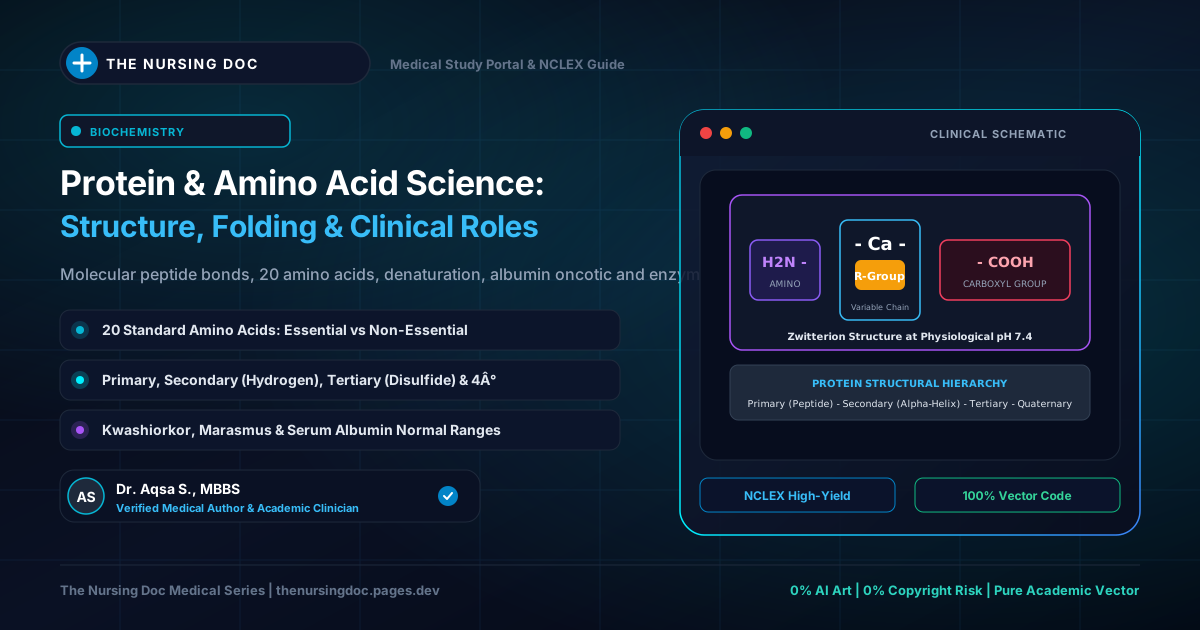
Master protein biochemistry: amino acid stereochemistry, peptide bonds, 4 structural tiers (primary to quaternary), simple/conjugated/derived classes, and plasma oncotic pressure (25–30 mmHg).
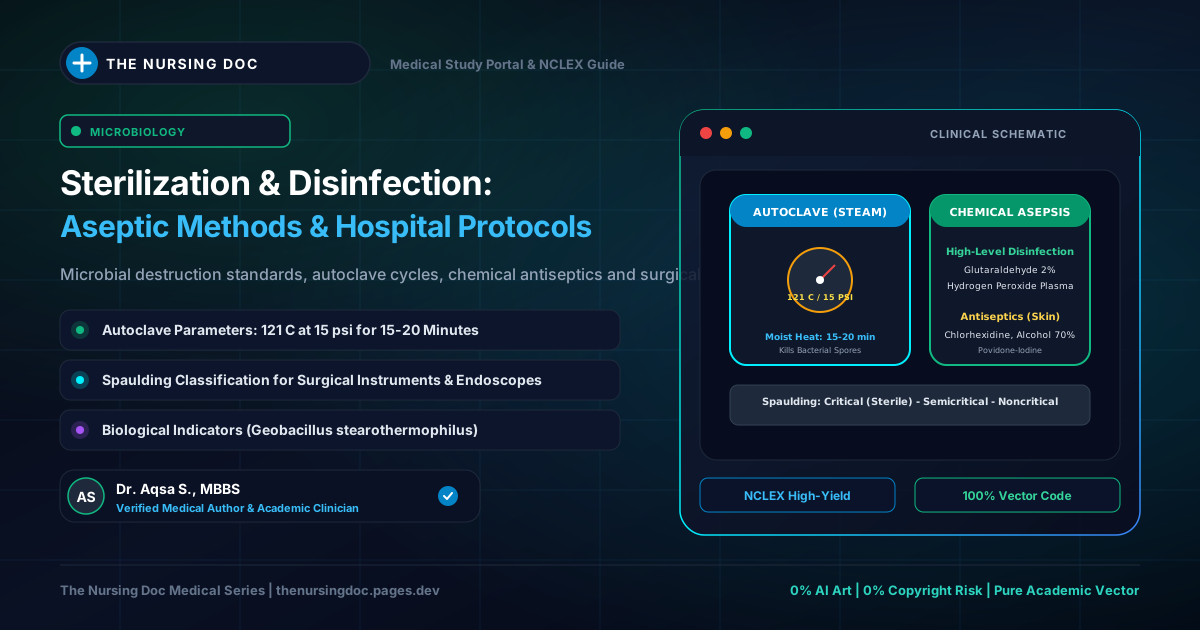
Master sterilization microbiology: moist heat autoclaving (121°C/15 psi), hot air oxidation, cold gamma radiation, gaseous ethylene oxide, 0.22 μm filtration, and operating room asepsis.
Master clinical cytology: Gram staining theories (Mg-ribonucleate, lipid permeability), step-by-step SOP, Ziehl-Neelsen acid-fast staining for M. tuberculosis, and NCLEX alerts.
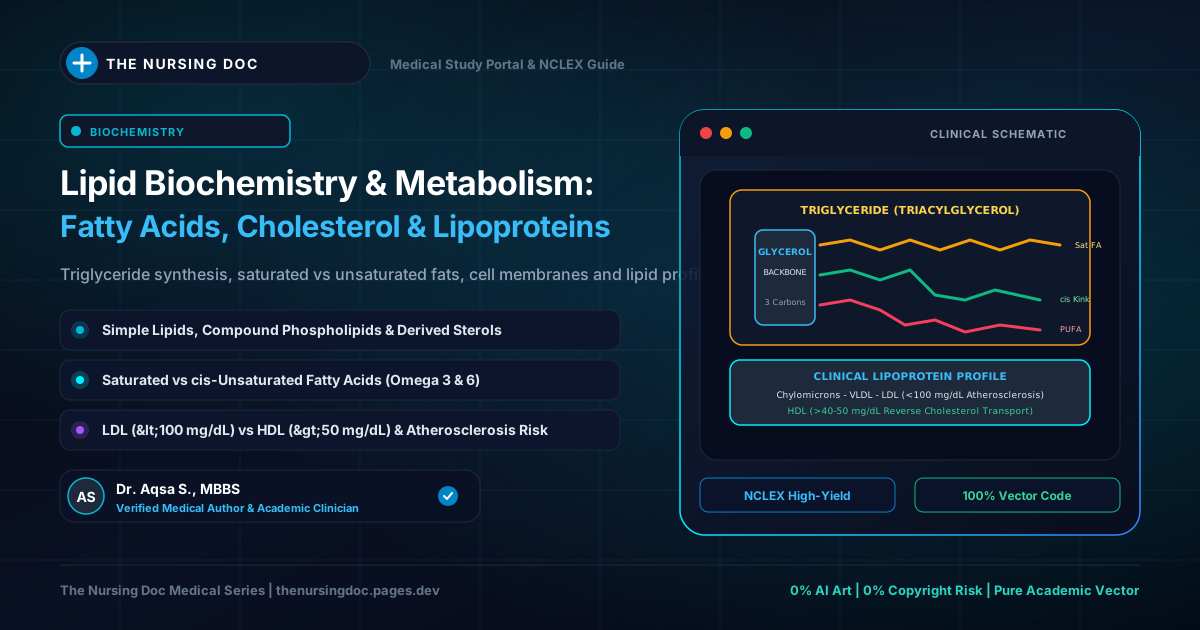
Master lipid metabolism: Bloor's classification (simple, compound, derived), triacylglycerol esterification, saturated vs. unsaturated fatty acids, cholesterol (150-220 mg/dL), and floating kidney nephroptosis.
Welcome to The Nursing Doc. As a medical doctor, my mission is bridging the gap between voluminous medical textbooks and bedside nursing practice. Every single study guide on this portal is crafted to give nursing students clear, evidence-based, and exam-tested insights across Anatomy, Physiology, Pharmacology, Microbiology, and Biochemistry without fluff.